
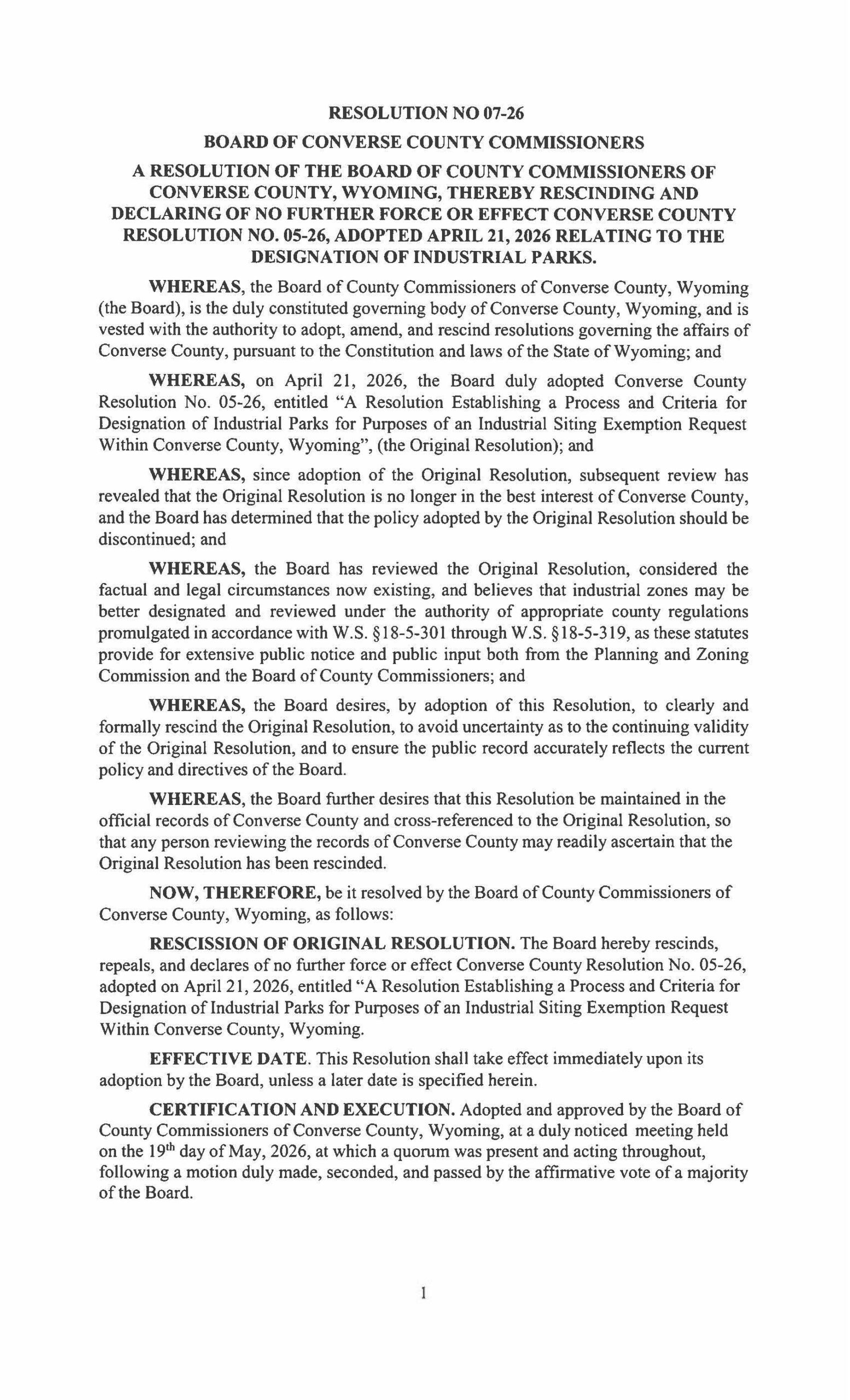
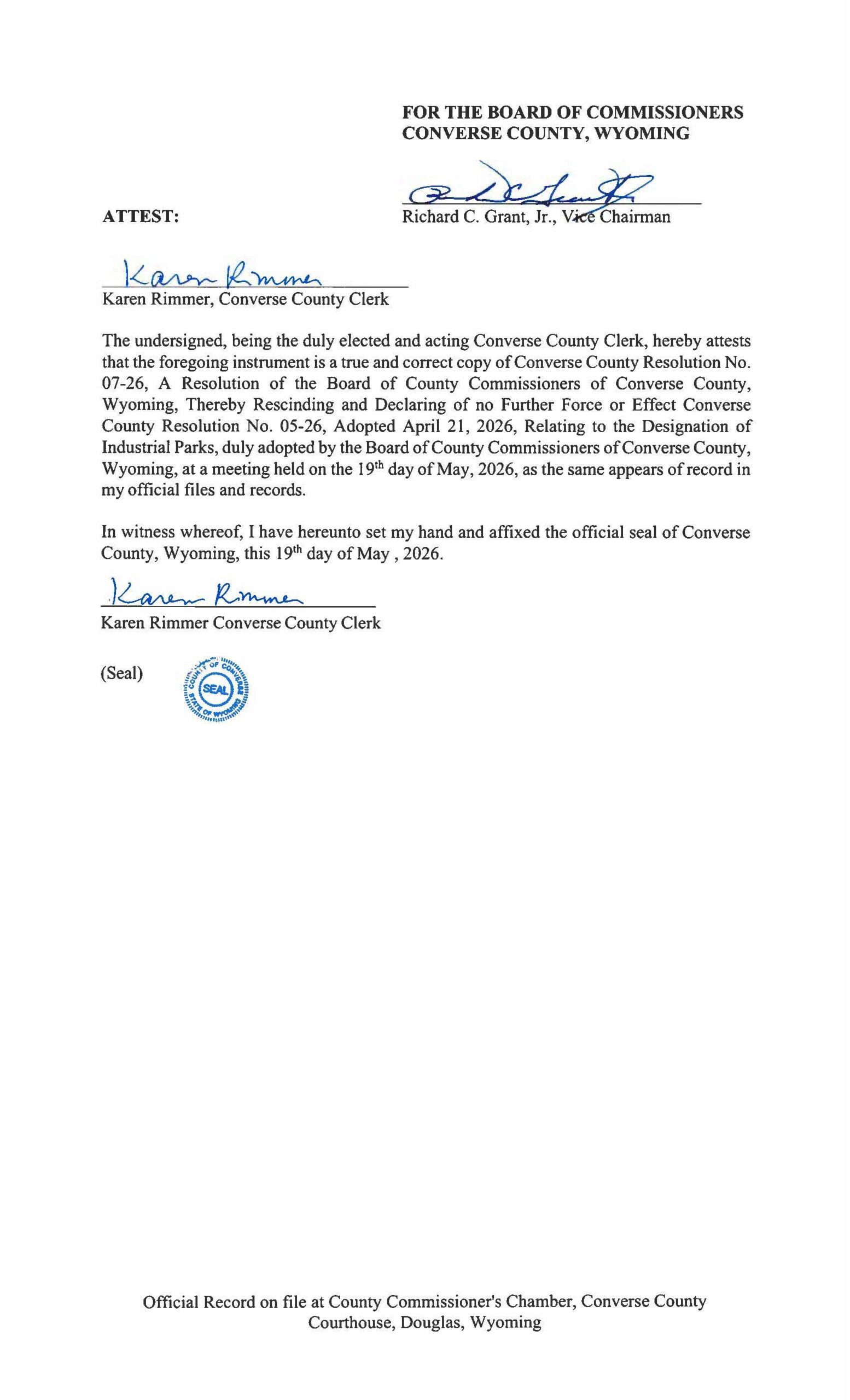
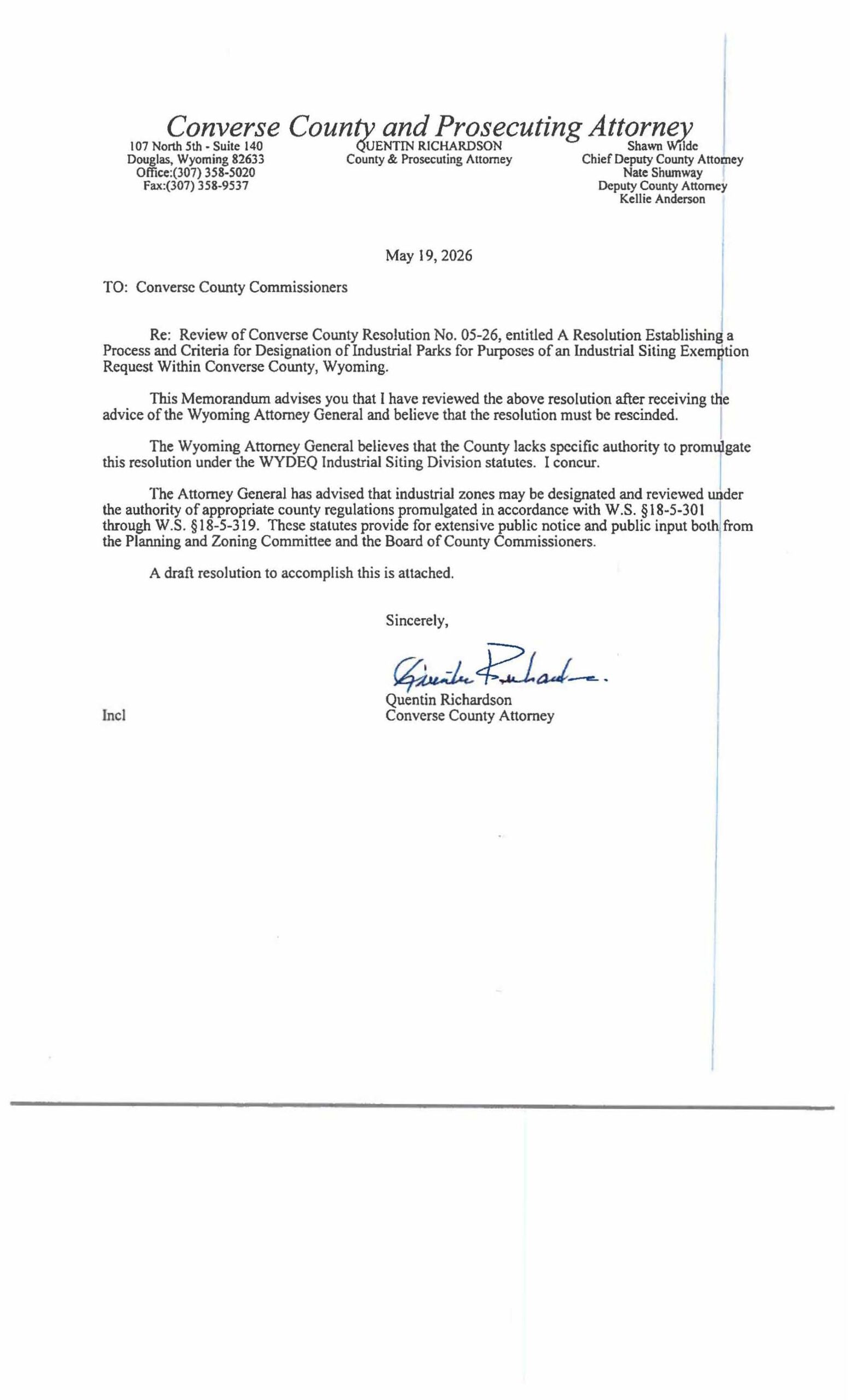
Converse County commissioners voted on Tuesday May 19, 2026, to formally rescind Resolution 05‑26, a recently adopted policy that created a local process for designating industrial parks for Industrial Siting Act exemption requests. According to the resolution and an accompanying memo from County Attorney Quentin Richardson, the Wyoming Attorney General advised that counties lack the authority to create such a process under state Industrial Siting statutes. Instead, any industrial‑zone designations must occur through the county’s existing planning and zoning regulations under W.S. 18‑5‑301 to 18‑5‑319, which require full public notice and hearings. By adopting Resolution 07‑26, commissioners declared the earlier policy “of no further force or effect” and directed that the rescission be clearly reflected in county records to avoid public confusion.
Many residents living near the proposed Prometheus Hyperscale data center site say the commissioners’ decision brings much-needed clarity to the situation.
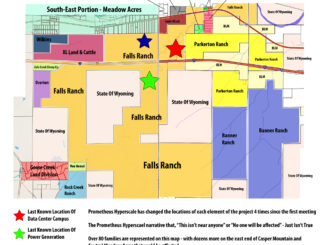
For months, neighbors in the Casper Mountain, Meadow Acres, and western Converse County areas have argued that a full, transparent review is the only way to ensure that the environmental, health, financial, and quality‑of‑life impacts of the Prometheus Hyperscale 1.5‑GW project are honestly evaluated.
Residents believe that once the project is subjected to the same public‑notice, public‑hearing, permitting, and environmental study requirements that apply to all major industrial zoning decisions, the community will have a fair opportunity to present evidence and concerns. With that opportunity, they believe the project’s risks will outweigh its benefits by a landslide.
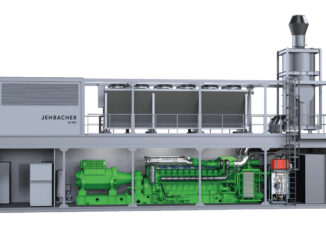
“They are not going to turn our homes into a wasteland of noise, vibration, heat, and air pollution, from 150 school bus-sized generators and five (5) 500,000 square foot buildings—and that’s just their first phase. In total size, that amounts to about 15 Walmart SuperCenters,” said Kevin Hool, a resident closest to the proposed site.
“When you look at the complete picture, this boils down to a Texas billionaire and a few of his friends trying to get richer in a very short amount of time with a technology and business model they know they can’t defend and that they know is failing. Fractal and Edge Computing technology makes these data centers look like dinosaurs. Servers, laptops, and phones are shipping with new chip stacks that make them AI-ready. These devices run AI locally, on the device itself, so you don’t even need an internet connection to run AI applications. Local device-level AI is the future and where the next tech giants will come from. It’s faster, more secure, low power, and it doesn’t destroy the environment & people’s lives.”
Hool continued, “Meta (Facebook) laid off 8,000 workers today, admitting they are losing billions on AI development, while credit default swaps against Oracle debt are up 2100%. This is the financial crash of 2008 all over again, but with AI data center debt instead of home mortgages.”
Wyoming residents have also joined forces with Wyoming legislators on 4 pieces of legislation in an effort to rein in the uncontrolled expansion of data center buildouts.
First is the Wyoming Industrial Impact Accountability Act. It establishes uniform statewide protections for homeowners, landowners, and small businesses located within a 2‑mile radius—and farther when scientifically justified—of major industrial facilities, including wind farms, solar arrays, nuclear generation sites, hyperscale AI data campuses, large generator‑based power plants, and all other industrial projects that disrupt or diminish the property values, health, safety, and daily lives of Wyoming residents.
Second, a Repeal of all state sponsored Data‑Center Sales‑Tax & Use-Tax Exemptions & Subsidies.
Third is the AI Infrastructure Excise Act that implements a per‑processor excise on high‑density GPU installations, generating needed revenue to offset increased burdens on roads, emergency services, wildlife habitats, and surrounding communities caused by hyperscale campus operations.
Fourth is the Wyoming Heritage, Tourism, & Landmark Protection Act. A statewide protection measure establishing a 15‑mile industrial‑development buffer around Wyoming’s most important historic sites, scenic landmarks, cultural resources, and high‑value tourism areas.
Wyoming’s political season is intensifying — and the Data Center Debate has turned this year into a single‑issue election.
Wyoming Data Center Facts | Graphic: Converse County